
Find Problems Before They Cause Interior Damage
Roof inspections in Prince Frederick and the surrounding counties for properties preparing for sale, recovering from storms, or planning maintenance.
HomePro Contractors, LLC offers detailed roof inspections for residential and commercial properties throughout Prince Frederick, Maryland and the surrounding counties. You may be preparing to list your home, settling an insurance claim after high winds, or trying to understand why your attic smells damp after heavy rain. A roof inspection identifies leaks, storm damage, aging materials, and structural concerns before they lead to costly interior repairs.
The inspection process evaluates shingle condition, flashing integrity around chimneys and vents, drainage performance in valleys and along eaves, roof penetrations such as skylights and pipe boots, and ventilation system function. Inspectors look for missing or cracked shingles, exposed nail heads, soft spots in the decking, and signs of water infiltration along fascia boards. These findings help you decide whether to schedule targeted repairs, plan for replacement within a specific timeframe, or verify that the roof remains sound for another season.
If you need documentation for a real estate transaction, want to assess storm damage for an insurance claim, or simply want to know what condition your roof is in, a professional inspection in Prince Frederick or a surrounding county provides the information you need to make informed decisions.
What You Learn From a Roof Inspection
After the inspection, you receive a written report detailing the condition of every major roof component. You learn which areas require immediate attention to prevent leaks, which materials are nearing the end of their expected lifespan, and which sections remain structurally sound. The report includes photographs of problem areas, explanations of how water could enter if repairs are delayed, and prioritized recommendations based on risk.
HomePro Contractors, LLC uses roof inspections to help property owners plan repairs before water intrusion damages ceilings, insulation, or framing. Inspectors measure remaining shingle granules, check for proper ventilation airflow, and identify whether flashing has pulled away from vertical surfaces. This level of detail prevents surprises during real estate closings and gives you time to budget for necessary work.
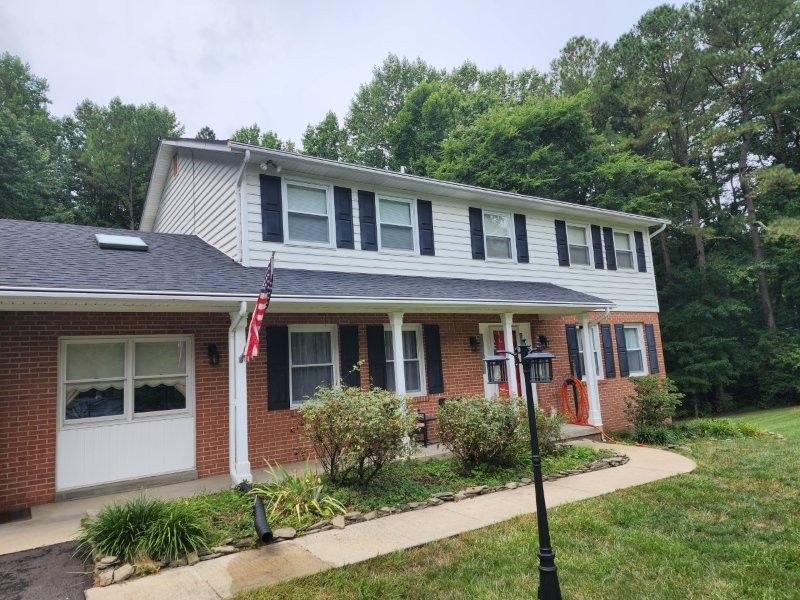
Recent Roof Projects
A look at recent roofing and inspection work across Prince Frederick and Southern Maryland.
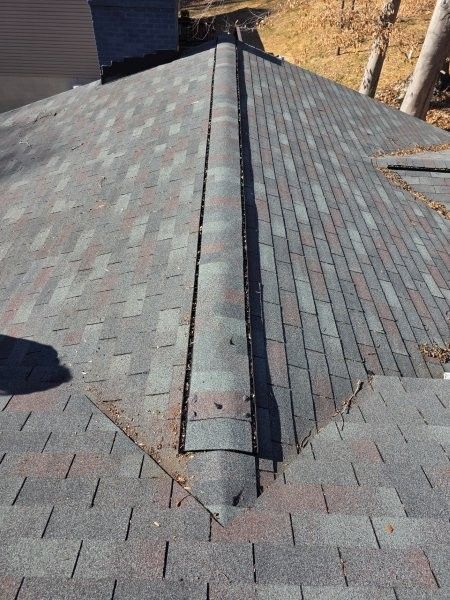
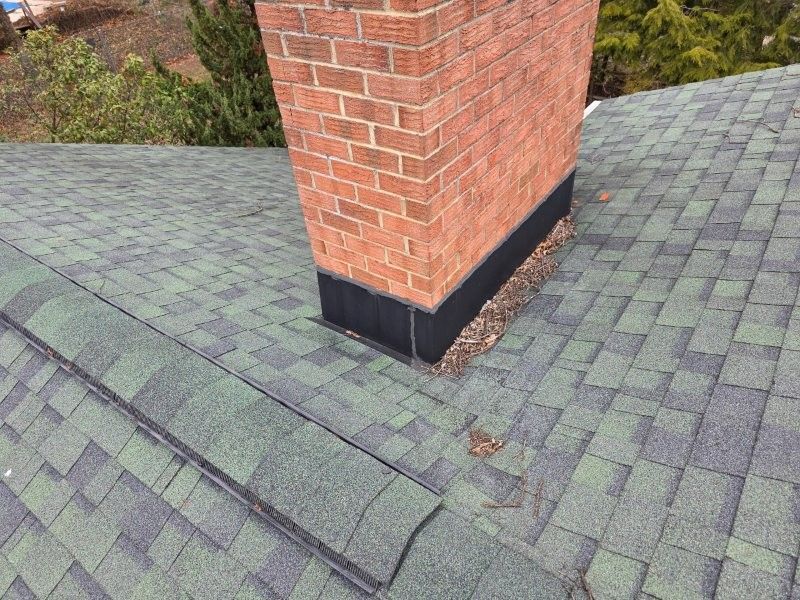
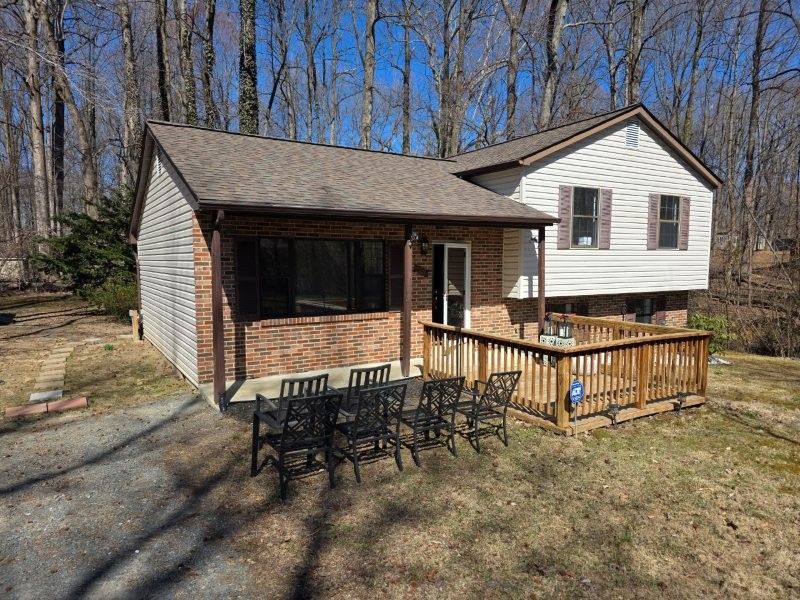
Inspections are particularly useful after severe weather events common in Maryland, including high winds, hail, and ice accumulation. Inspectors document storm damage that may not be visible from the ground, such as lifted shingles, cracked flashing, or dented vents. Some issues only become apparent during close examination of roof surfaces and penetration points, which is why visual inspection from a ladder or rooftop access is part of the process.
Common Questions About Roof Inspections
Property owners in Prince Frederick and the surrounding counties often ask these questions when scheduling inspections or reviewing findings.
What does a roof inspection include?
Inspectors evaluate shingle condition, flashing integrity, drainage function, roof penetrations, ventilation systems, and decking for soft spots or sagging that suggests moisture damage.
How long does a roof inspection take?
Most residential inspections are completed within one to two hours depending on roof size, pitch, and accessibility of all roof sections.
When should you schedule a roof inspection?
Inspections are recommended before purchasing a home, after storms with high winds or hail, when planning to sell, or every few years as part of preventative maintenance.
Why do inspectors check attic spaces during roof evaluations in Prince Frederick and the surrounding counties?
Attic inspections reveal moisture stains, mold growth, inadequate ventilation, and insulation damage that indicate active or past roof leaks not visible from the exterior.
What happens after the inspection is complete?
You receive a written report with photographs, a summary of findings, and recommendations for repairs or replacements prioritized by urgency and risk.
Schedule Your Roof Inspection
Get a detailed, photo-documented report on the condition of your roof. Serving Prince Frederick and all of Southern Maryland.